Chapter. 1
The origins of smoke-free innovation
1500–1700s
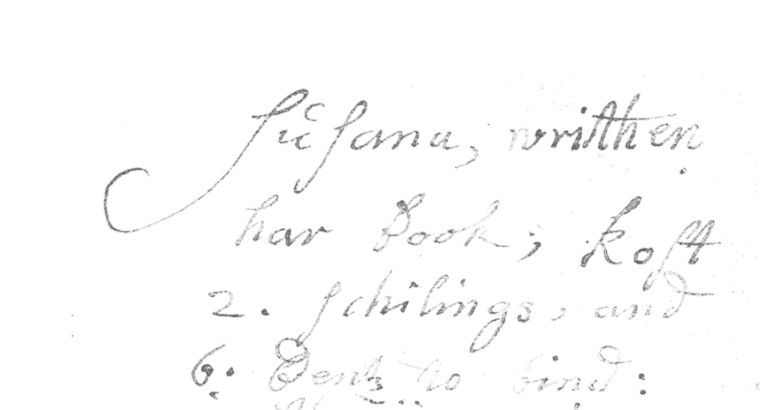
Before our story began
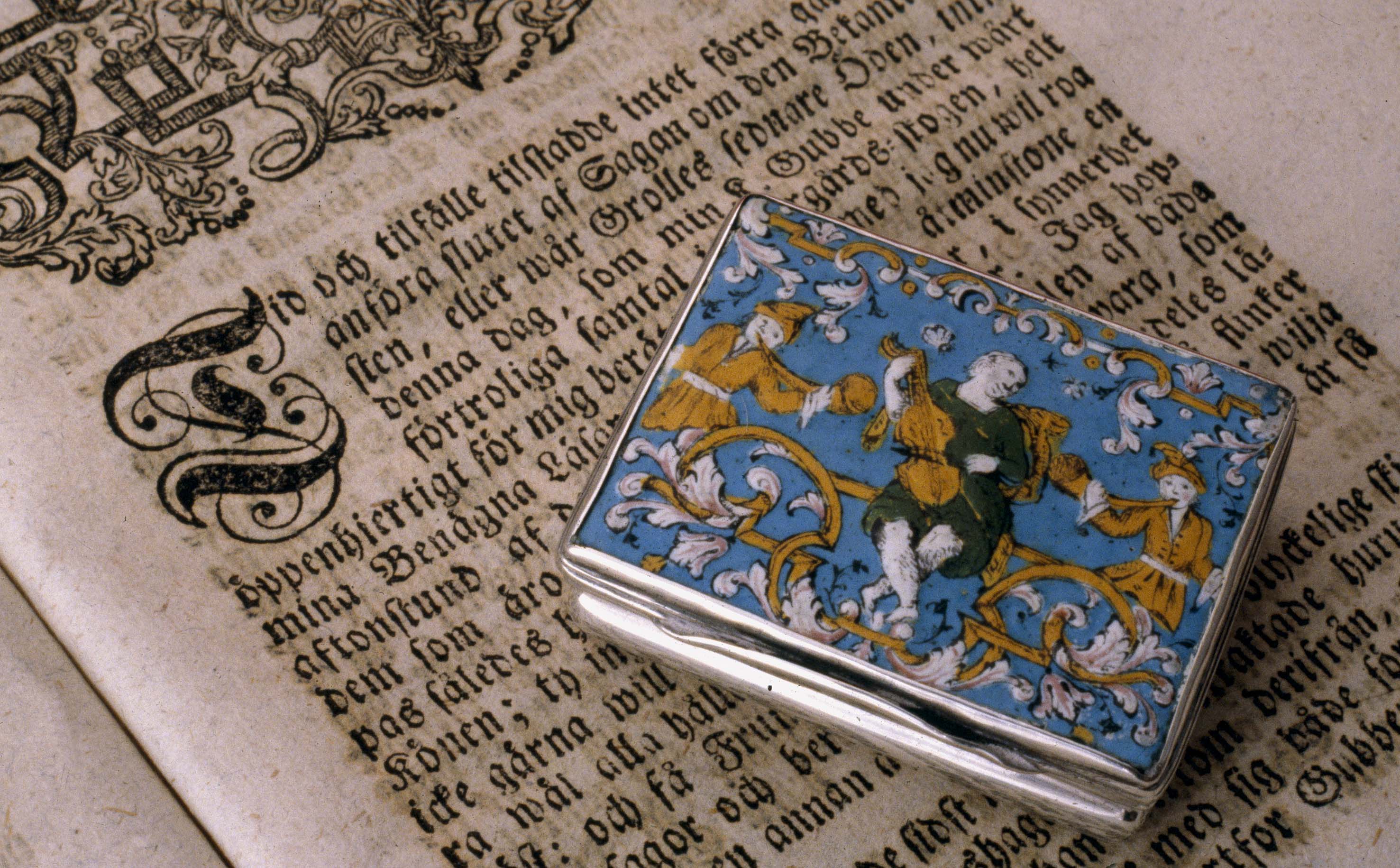
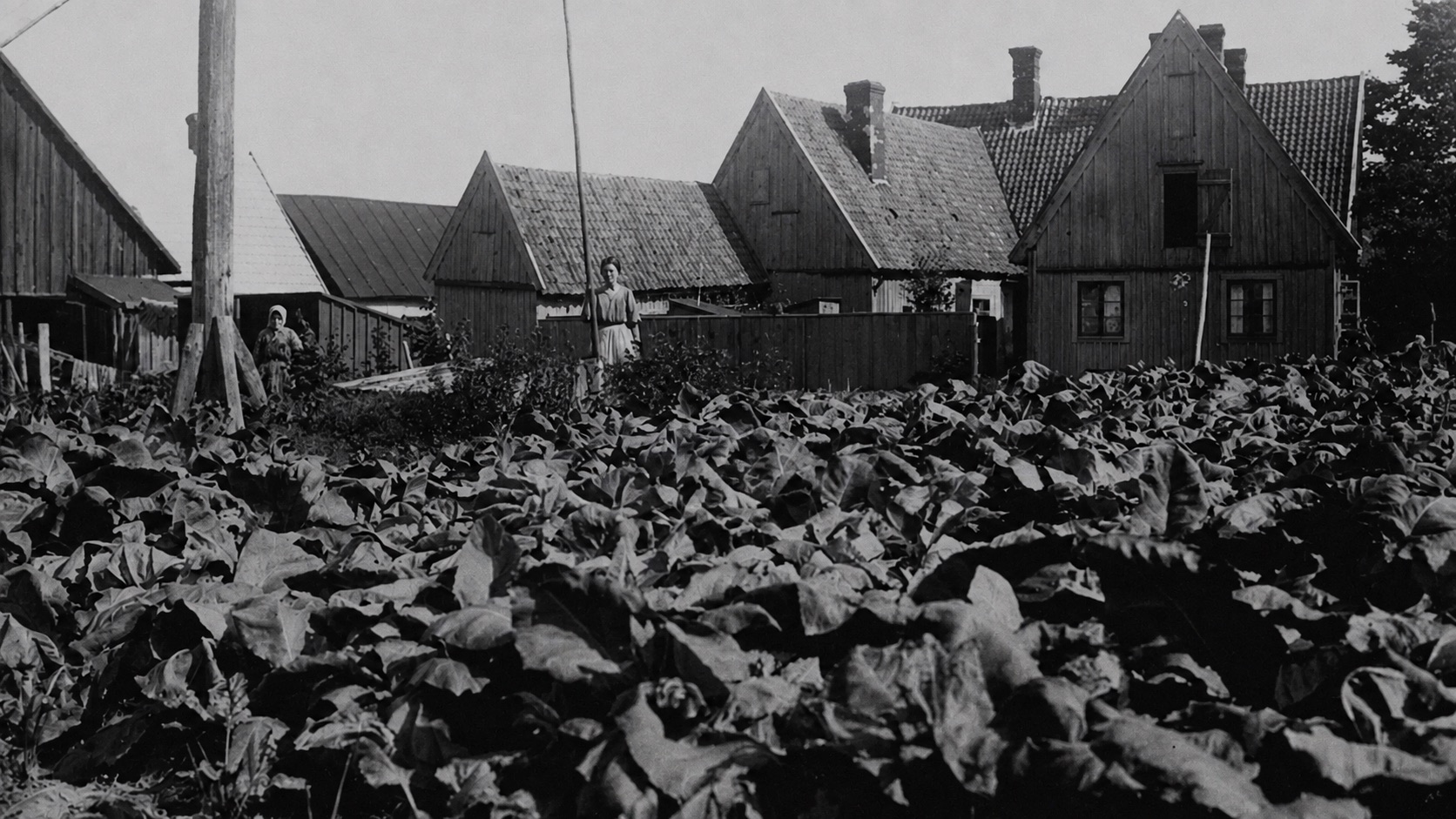
Tobacco reached Europe in the late 1400s and arrived in Sweden during the 1600s, where snuff quickly became popular among both the aristocracy and the wider population.
1822
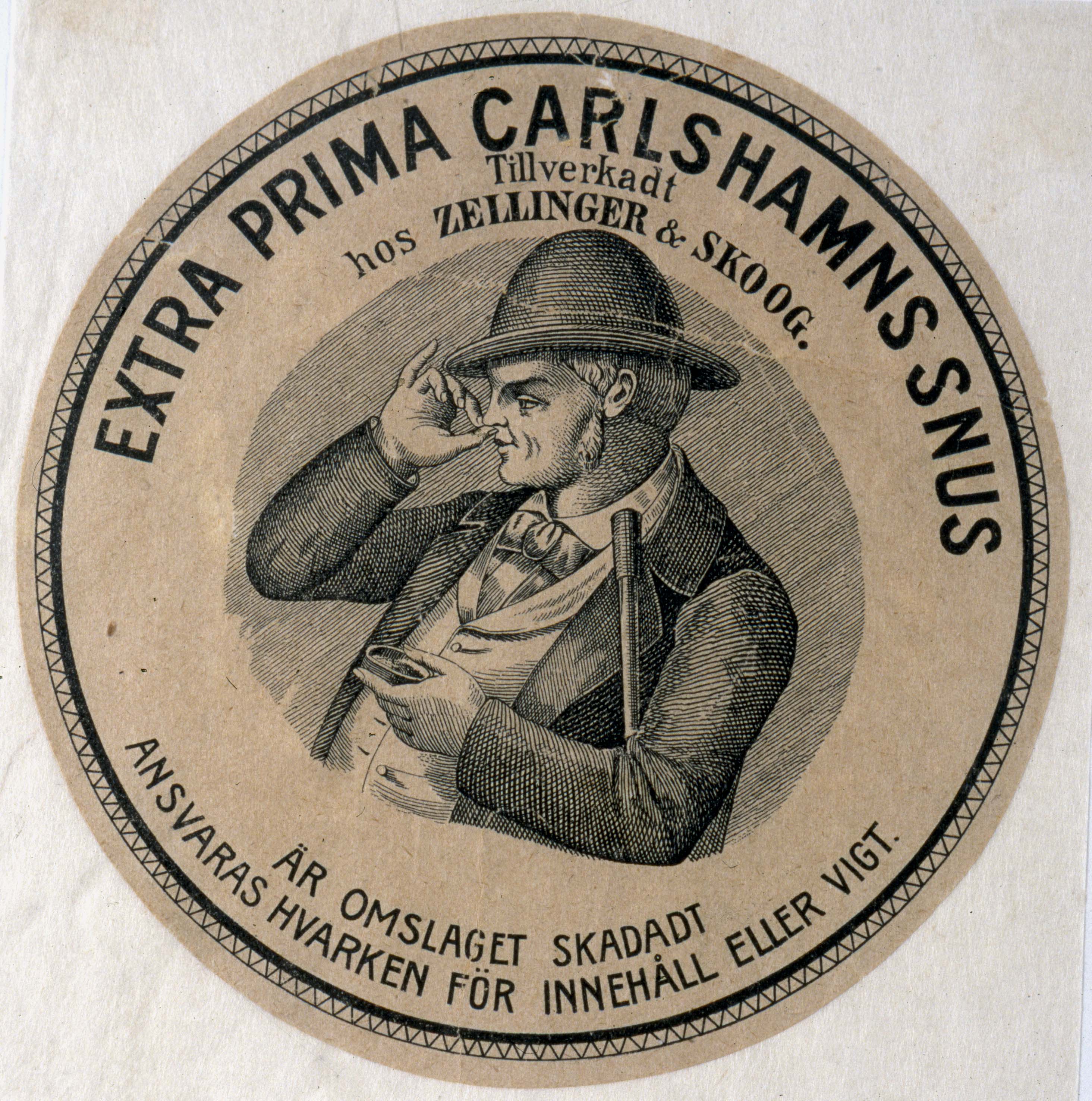
The launch of Ettan
Jacob Fredrik Ljunglöf launches Ettan, laying the foundation for Swedish Match’s long tradition of snus craftsmanship and innovation.
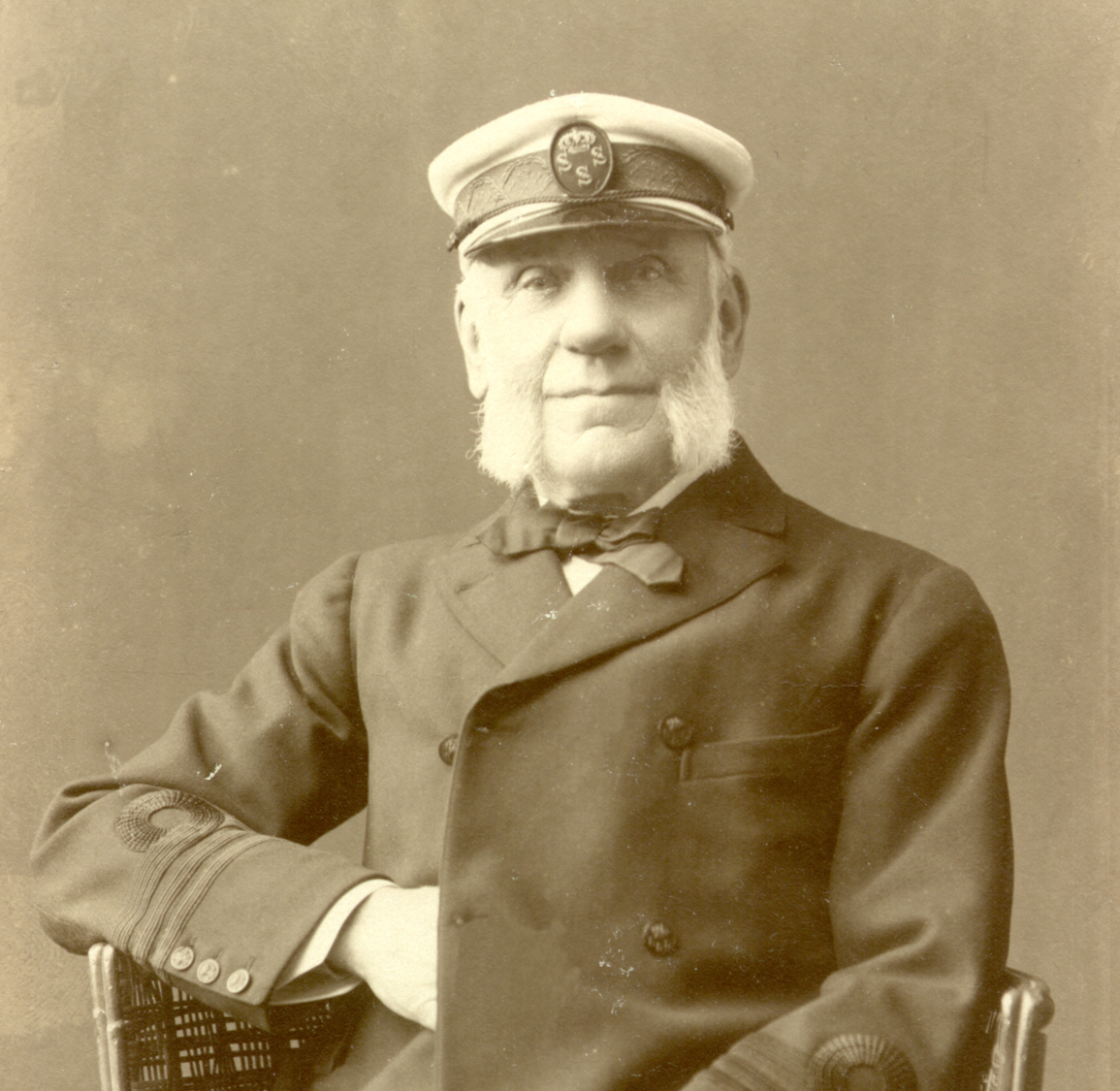
Jacob Fredrik Ljunglöf launches Ettan, laying the foundation for Swedish Match’s long tradition of snus craftsmanship and innovation. Today, Ettan remains one of Sweden’s most recognized snus brands.
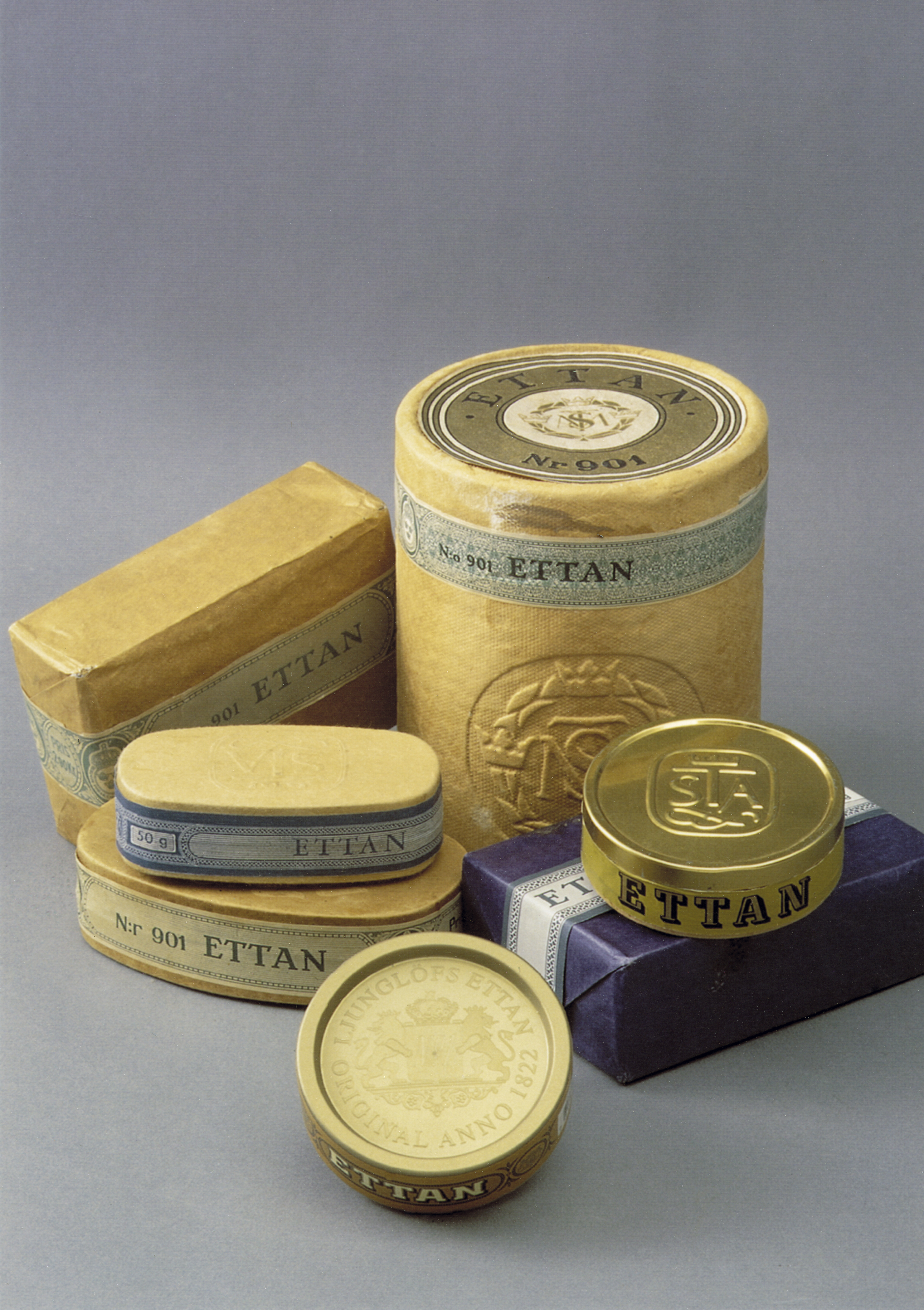
Ettan
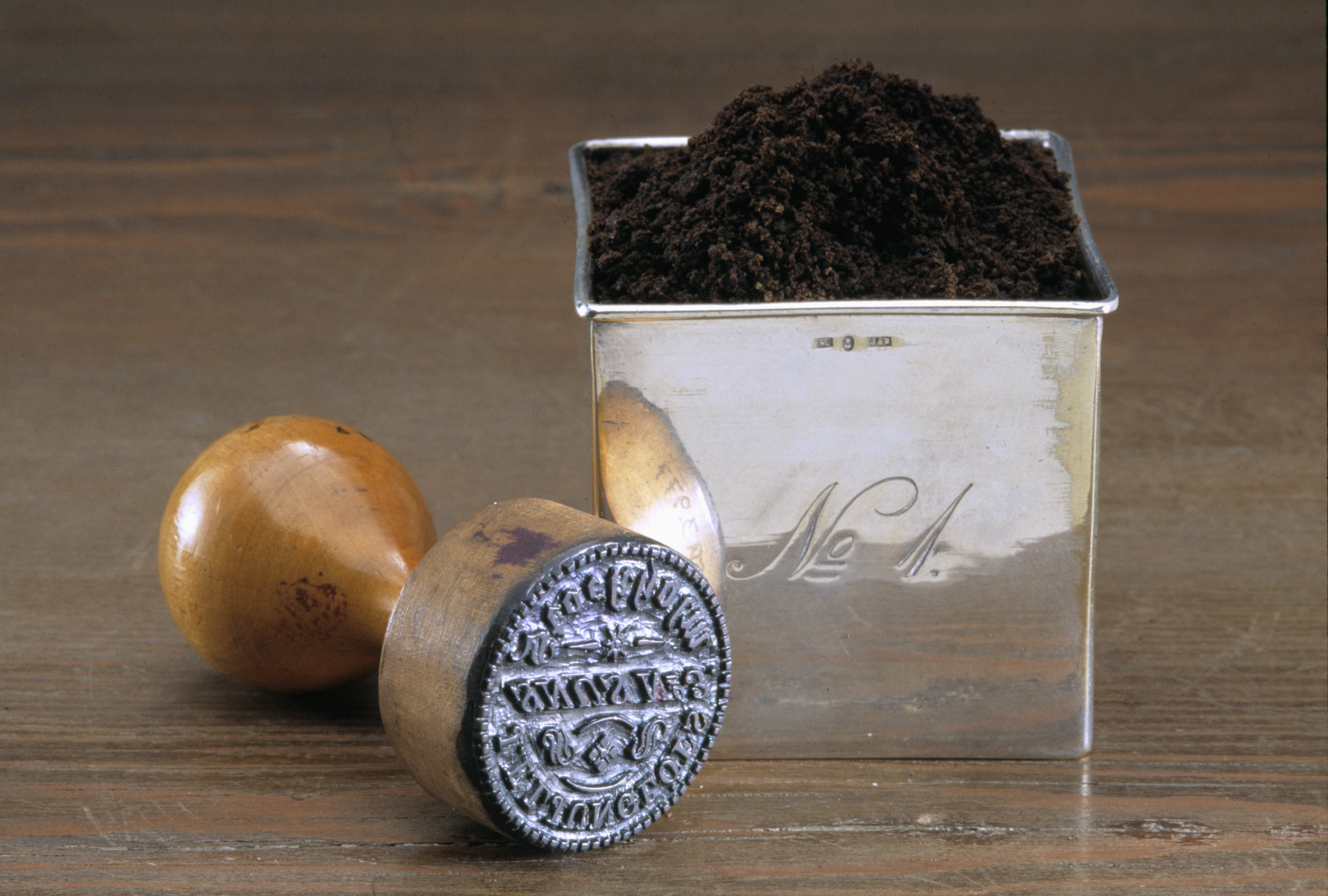
Ettan
Chapter. 2
Building a Swedish industry
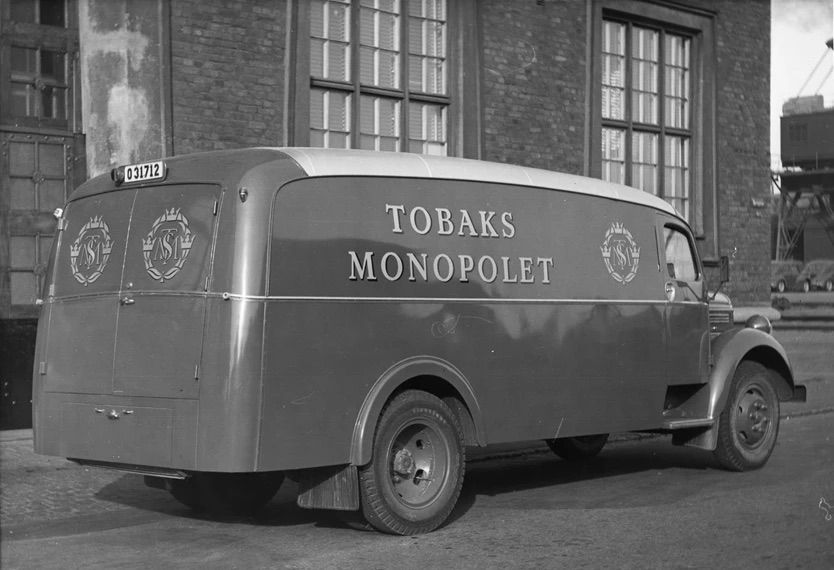
1915
The Swedish Tobacco Monopoly is established
A new foundation for Swedish tobacco production.
AB Svenska Tobaksmonopolet is established, bringing Swedish tobacco production together and forming one of the historical foundations of today’s Swedish Match.
1917
Sweden’s match industry comes together
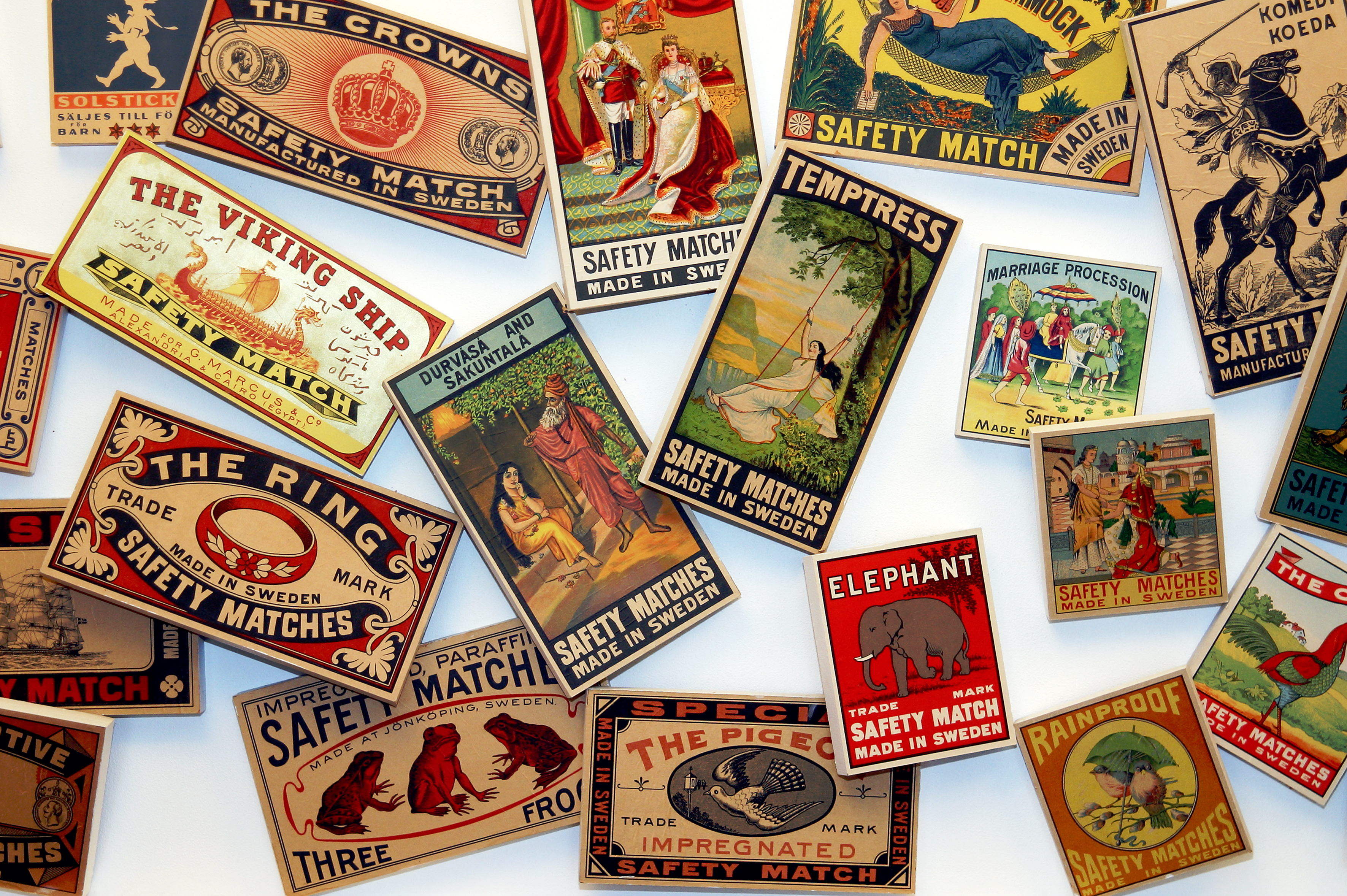
Svenska Tändsticks AB is founded, consolidating the Swedish Match industry and creating the second major historical foundation of what we today know as Swedish Match.

1930 – A Swedish company goes global
Following rapid international expansion, Svenska Tändsticks AB becomes a major force in the global match industry. By 1930, the company is the sole or dominant owner of match companies in 33 countries and controls around 60 percent of global match production.
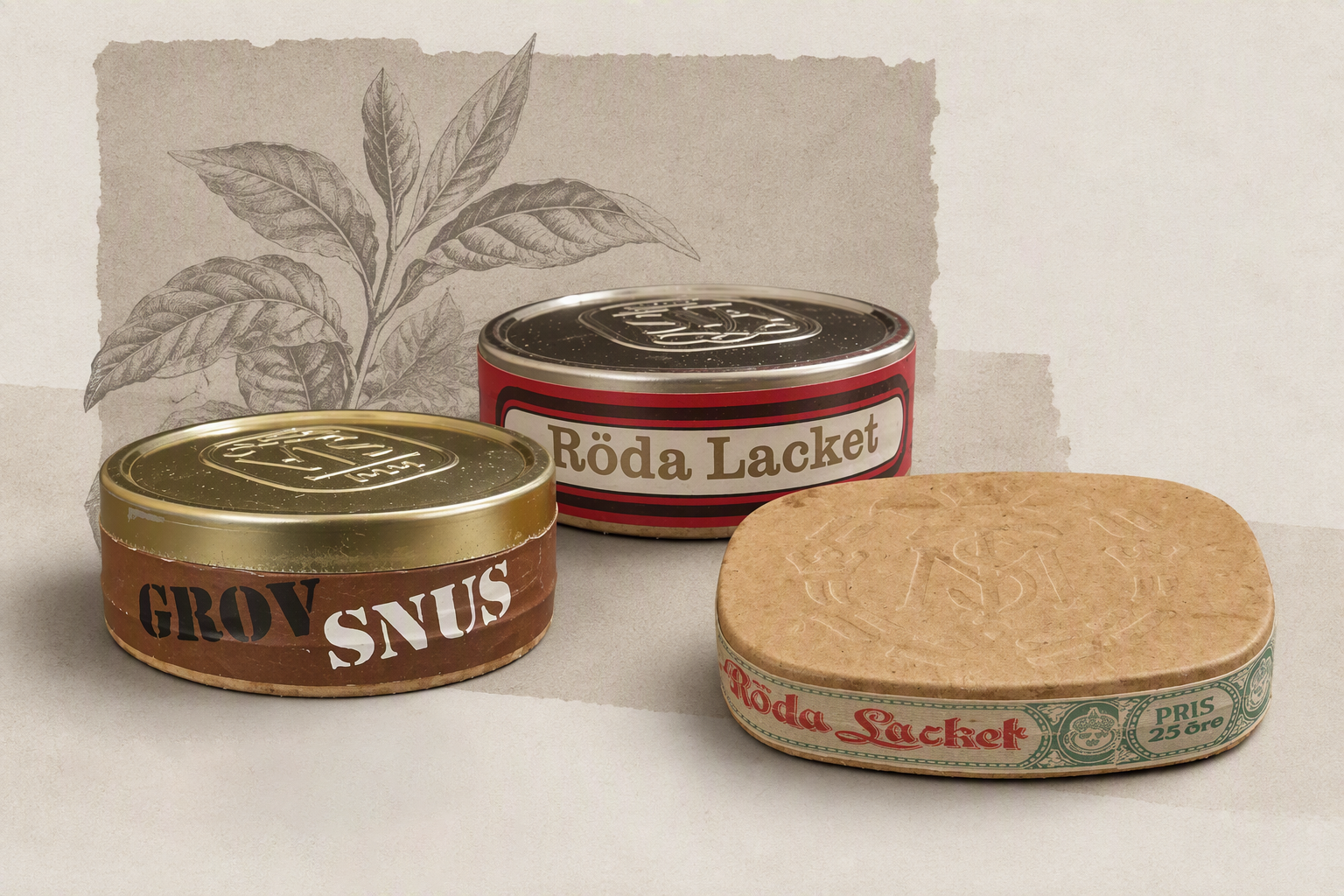
A new shape of snus
The first round snus can is introduced, replacing the traditional oval waxed paperboard and giving snus a more consumer friendly and modern format.
A new standard for snus
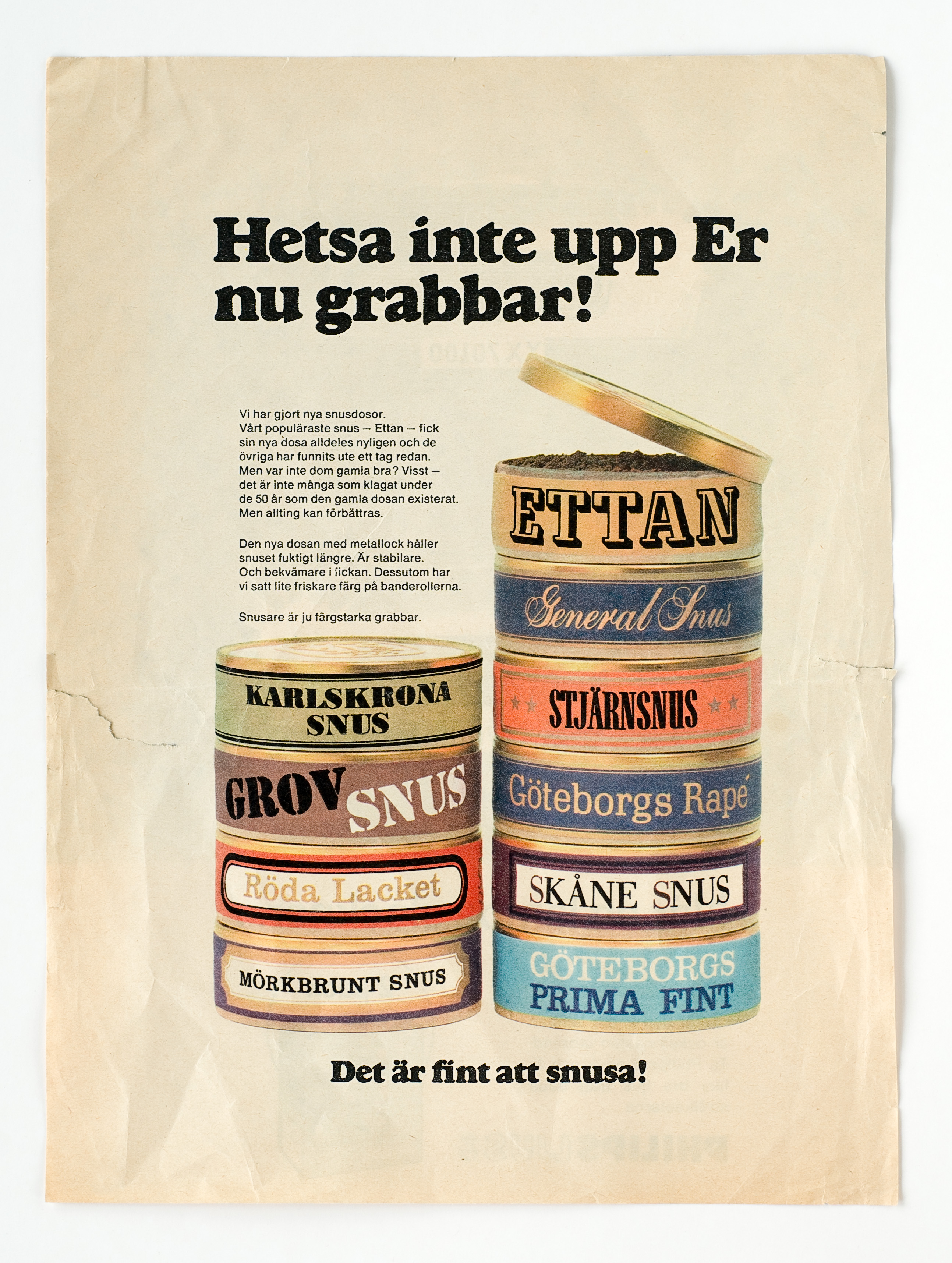
The new format marks a major change in snus packaging and establishes the round shape that remains characteristic of snus cans today. At the same time, packaging becomes more visually distinctive, with different brands adopting their own colors and design identities.
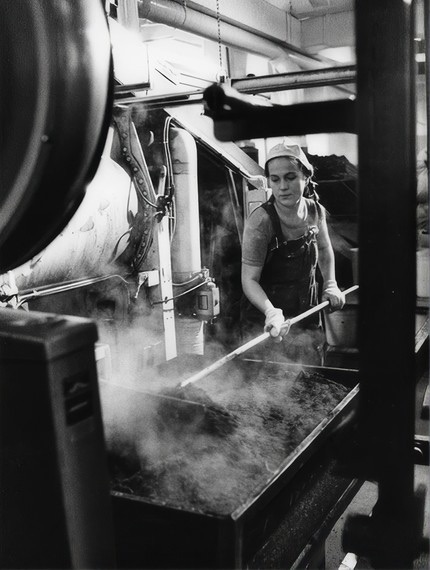
Gothenburg factory 1970s
1967
1967 – A new era for Swedish tobacco
Sweden’s tobacco manufacturing monopoly comes to an end, and Svenska Tobaksmonopolet becomes Svenska Tobaks AB, marking a new chapter for the company.
Chapter. 3
Shaping snus as we know it today
1973
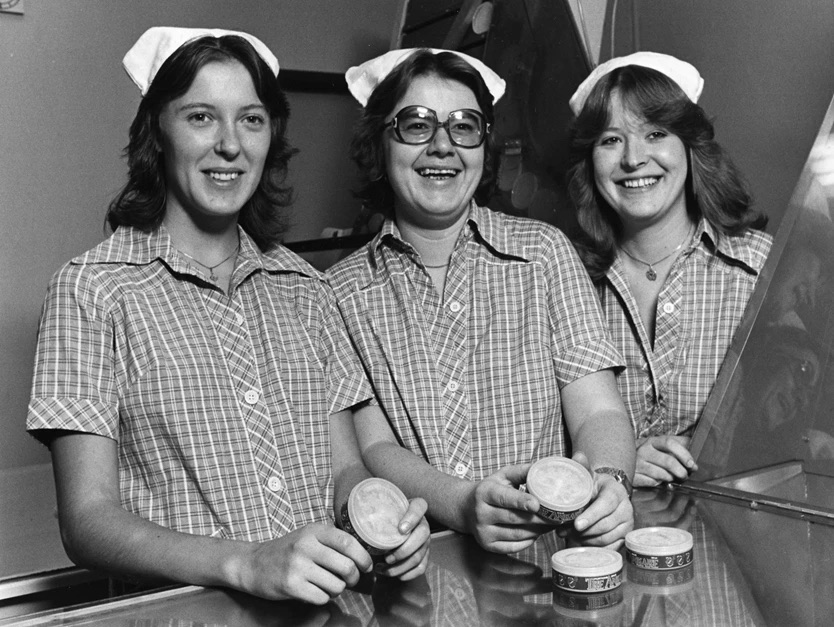
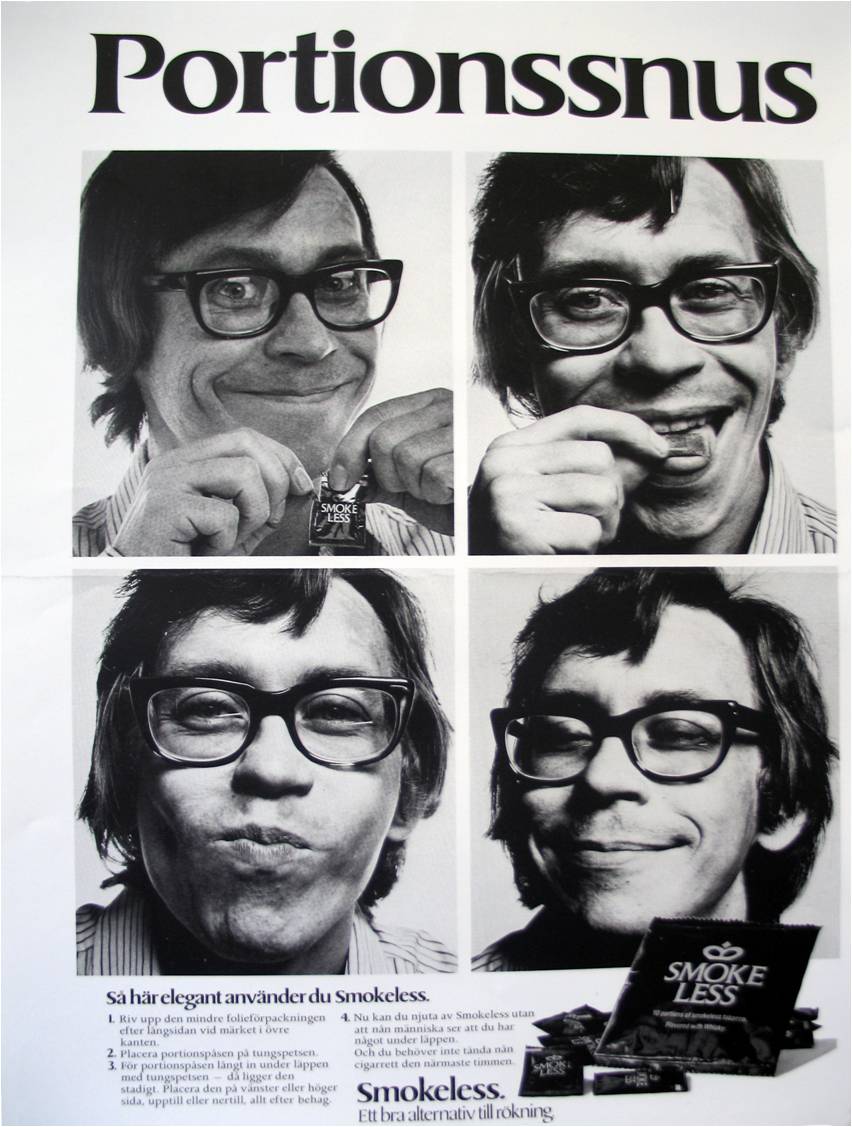
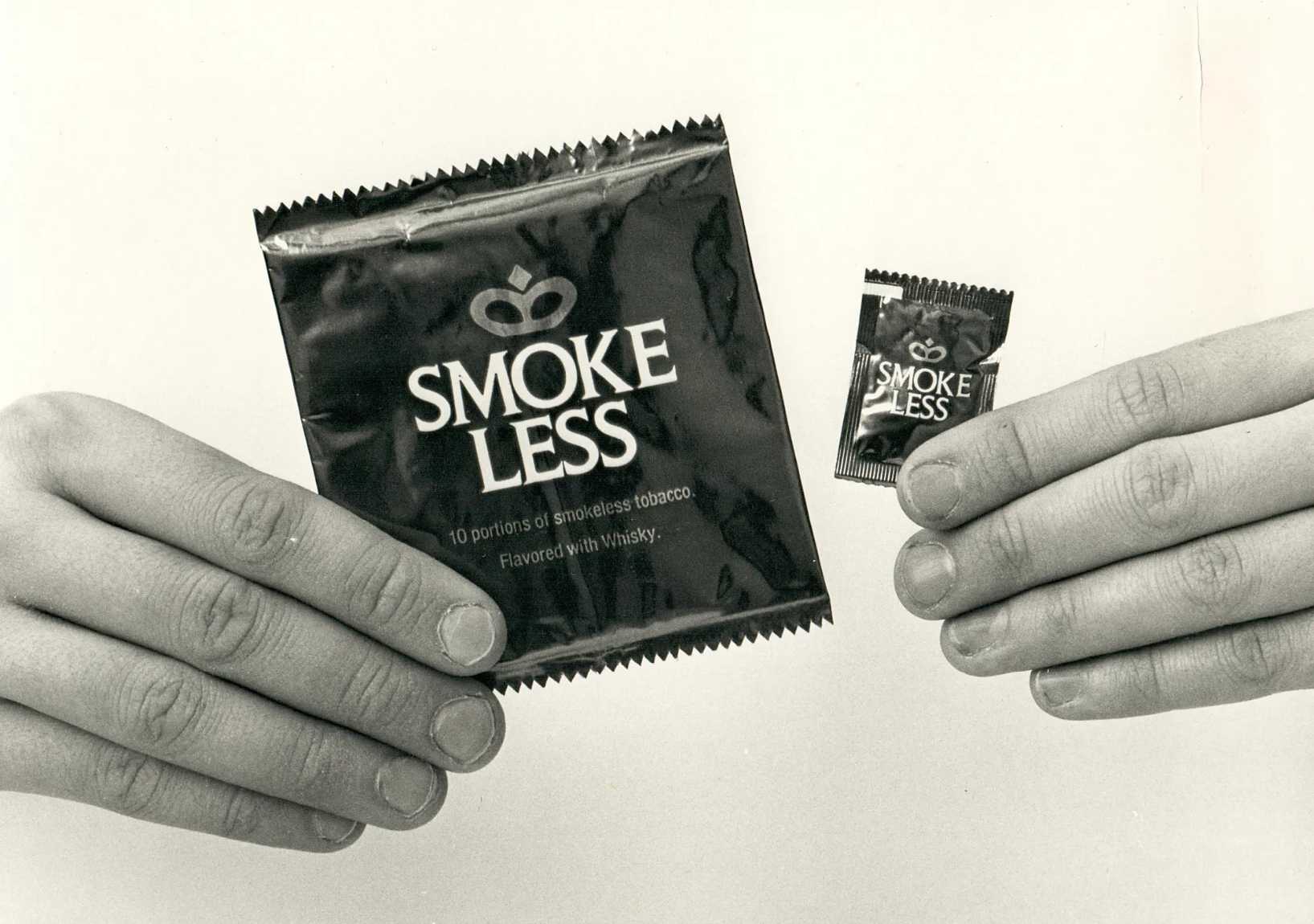
The first portion snus is launched
Snus began to regain its popularity in the late 1960s when health risks associated with cigarette smoking were documented in several reports. During the 1970s, the first portion-packed snus was introduced.
By packaging snus in ready-made portions rather than offering it only as loose snus, the new format makes it more convenient to use and appealing to a broader group of adult consumers.
1982
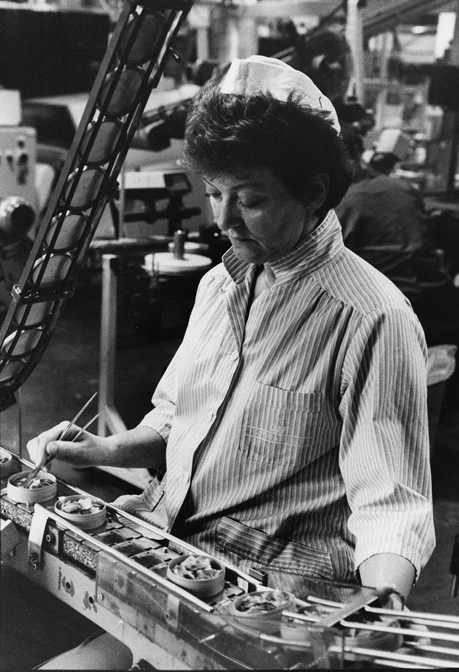
Expanding snus production
A new factory opens in Gullbergsvass, Gothenburg, to meet the growing demand for snus. Built around a pioneering closed production system, the facility enables more hygienic production and consistent quality on a larger scale.
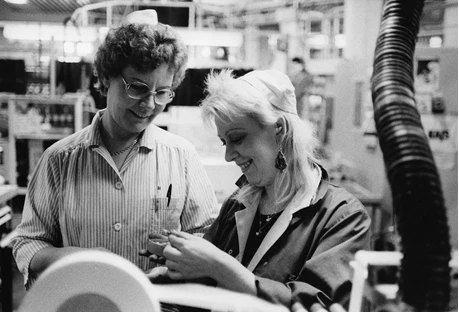
A center for innovation
The Gothenburg site also becomes an important center for product development and innovation, a role it continues to hold today.


The modern Swedish Match takes shape
Tobacco, match, and lighter operations are brought together. In 1994, they are united in one group under the company name Swedish Match.
1990s
Listed on the Stockholm Stock Exchange
Since 1996, Swedish Match is listed on the Stockholm Stock Exchange. The listing marks a new chapter in the company's modern history and international growth.
Building the Swedish Match name globally
During the 1990s, Swedish Match used international sports partnerships to build awareness of the Swedish Match name. In 1994, Swedish Match became the main sponsor of the Swedish Match Cup, an international sailing race in Marstrand, Sweden, attracting leading sailors from around the world.
In 1996, Swedish Match expanded its involvement in international sailing by becoming a principal partner in a project for the Whitbread Round the World Race 1997/98. The Swedish Match yacht was featured prominently on the cover of the company’s 1996 Annual Report.
2003
Swedish Match opens a new snus factory in Kungälv

Building for growing demand

A new standard for snus production

Chapter. 4
Taking smoke-free innovation to the world

2014
A new generation of smoke-free products
ZYN nicotine pouches are introduced
Following the start of Project ZYN in late 2013, ZYN launches in Colorado, U.S., in 2014, introducing a tobacco-free nicotine pouch to the Swedish Match portfolio.
From innovation to expansion
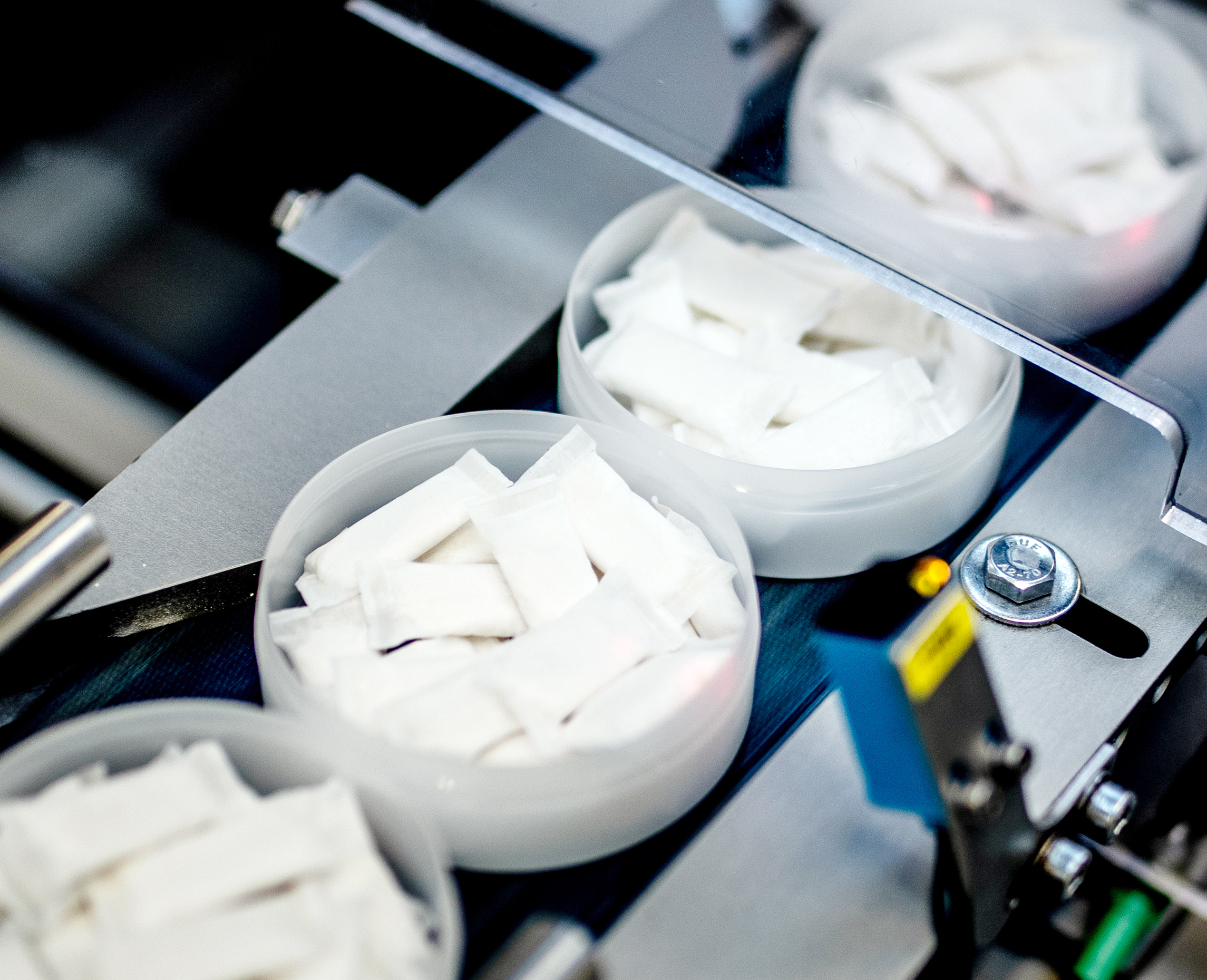

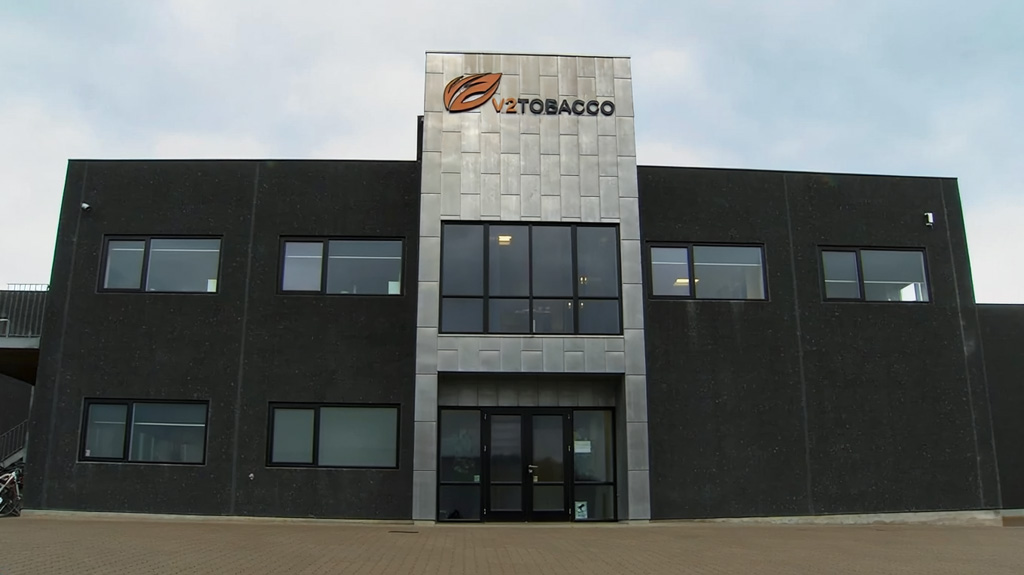
V2 Tobacco factory, Silkeborg, Denmark
2017
Strengthening our Nordic foundation
2022
Swedish Match becomes part of PMI

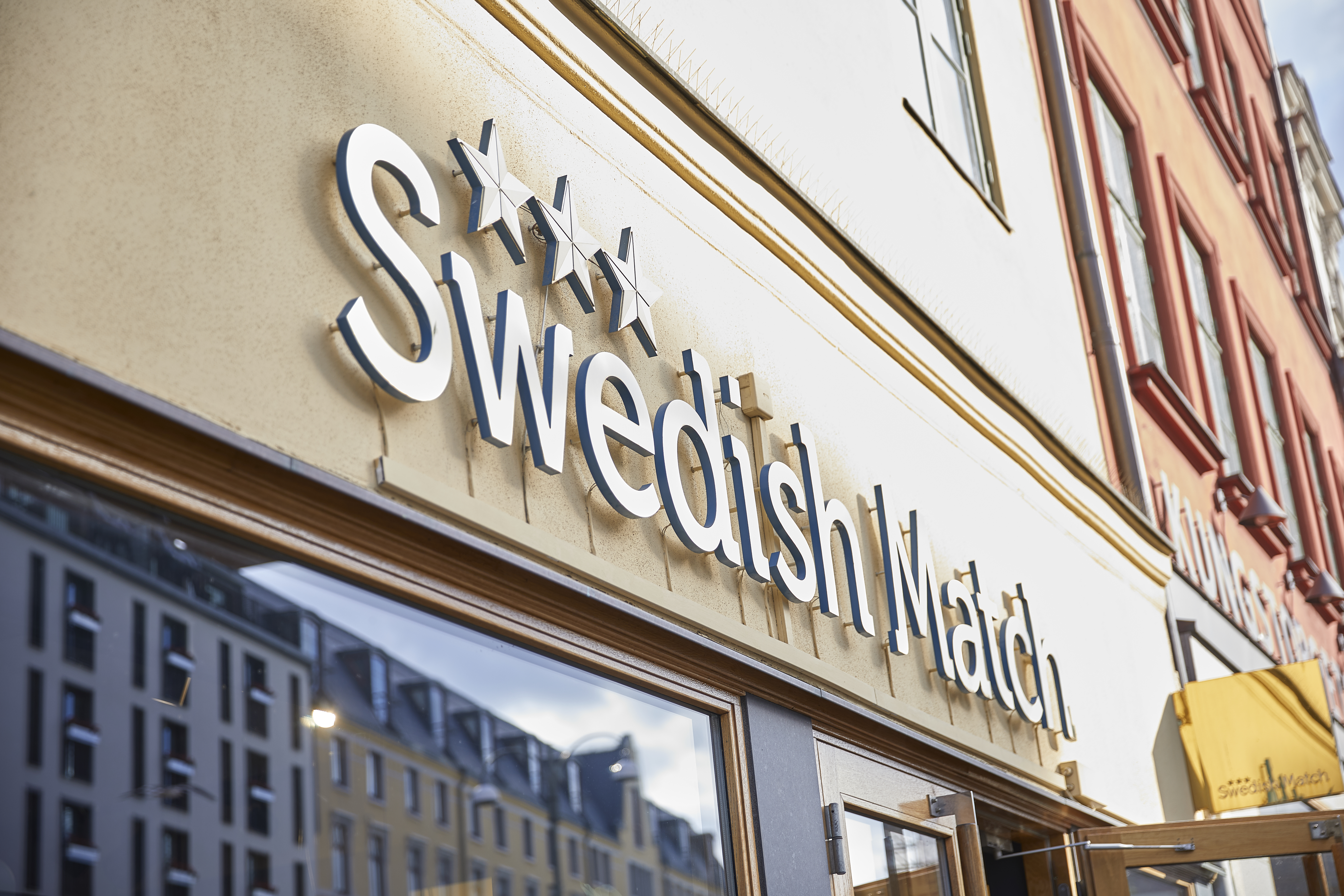
A new chapter begins


Today – From Nordic tradition to global innovation
Building on more than two centuries of craftsmanship and innovation, Swedish Match continues its journey together with PMI, helping accelerate the transition toward a world where smoking is obsolete.

Today